




Blog

All Maplewood Chevrolet Dealer Maplewood Chevrolet Service
Changing a flat tire

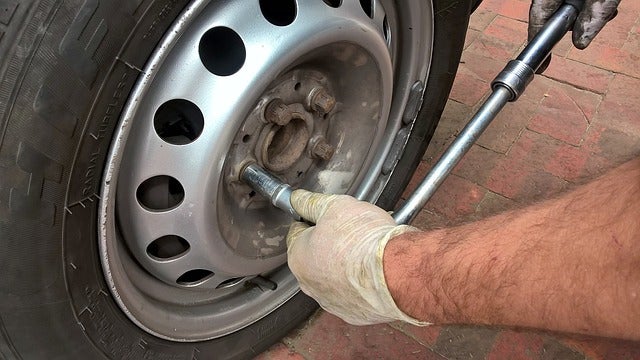
How to Change a Flat Tire

There is nothing worse than being stranded on the side of a Minnesota road with a flat tire. While you might prefer to leave changing your flat to a professional, there may be a time you will have to do it yourself.It's beneficial for Maplewood area drivers to practice changing a tire in your garage or driveway to ensure you're ready to handle this situation if it ever happens to you. Merit Chevrolet has compiled these steps so you have the knowledge and know what to do. 1. Find a Safe LocationAs soon as you realize you have a flat tire, do not abruptly brake or turn. Slowly reduce speed and scan your surroundings for a level, straight stretch of road with a wide shoulder. An empty parking lot would be an ideal place. Level ground is good because it will prevent your vehicle from rolling. Never attempt to change your tire on a narrow shoulder near oncoming traffic. Keep moving (slowly) until you find a safer spot. While driving on a flat risks ruining your rim, replacing a rim is better than being hit by an inattentive driver. 2. Turn on Your Hazard LightsYour hazard lights or "flashers" will help other drivers see you on the side of the road. To avoid an accident, turn them on as soon as you realize you need to pull over.3. Apply the Parking BrakeOnce stopped, always use the parking brake when preparing to replace a flat tire. This will minimize the possibility of your vehicle rolling.4. Apply Wheel WedgesWheel wedges go in front of or behind the tires to further ensure the vehicle doesn't roll while you fix the flat tire. If you're changing a rear tire, place these in front of the front tires. If your flat tire is at the front, put the wheel wedges behind the rear tires.Bricks or large stones will work just as well as "real" wheel wedges. Just be sure they're large enough to stop the car from rolling.5. Remove the Hubcap or Wheel CoverIf your vehicle has a hubcap covering the lug nuts, it's easier to remove the hubcap before lifting the vehicle with the jack. If your lug nuts are exposed, you can skip ahead to Step 6.Use the flat end of your lug wrench to remove the hubcap. This will work for most vehicles, but some hubcaps need a different tool to come off. Consult your owner's manual for proper hubcap or wheel cover removal procedures.6. Loosen the lug nutsUsing the lug wrench, turn the lug nuts counterclockwise until you break their resistance. You may have to use force, and that's ok. Use your foot or all of your body weight if necessary.Loosen the lug nuts about ¼ to ½ of a turn, but don't remove them completely yet. Save that for when it's time to remove your tire/wheel from the vehicle.7. Place the Jack Under the VehicleThe right place for the jack is usually beneath the vehicle frame alongside the tire that's flat. Many vehicle frames have molded plastic on the bottom with a cleared area of exposed metal specifically for the jack. To safely lift and avoid damage to the vehicle, follow the instructions for jack placement in your vehicle owner's manual.8. Raise the Vehicle With the JackTo prevent the jack from settling under the weight of your vehicle and coming off balance, place a small cut of 2x6" wood beneath it before attempting to raise your vehicle. This tactic is especially helpful on asphalt.With the jack properly positioned, raise the vehicle until the flat tire is about six inches above the ground.Never put any part of your body under the vehicle during or after raising the vehicle with the jack.9. Unscrew the Lug NutsNow it's time to remove the lug nuts all the way. Since you've already loosened them, you should be able to unscrew them mostly by hand.10. Remove the Flat TireGripping the tire by the treads, pull it gently toward you until it's completely free from the hub behind it. Set it on its side so that it doesn't roll away.11. Mount the Spare Tire on the Lug BoltsNow place the spare on the hub by lining up the rim with the lug bolts. Push gently until the lug bolts show through the rim.12. Tighten the Lug Nuts by HandPut the lug nuts back on the lug bolts and tighten them all the way by hand. Once they are all on, check each one again, tightening as much as possible. You will tighten them with the wrench after lowering the vehicle to the ground.13. Lower the Vehicle and Tighten the Lug Nuts AgainUse the jack to lower the vehicle so that the spare tire is resting on the ground but the full weight of the vehicle isn't fully on the tire. At this point, you should tighten the lug nuts with the wrench, turning clockwise, as much as you can. Push down on the lug wrench with the full weight of your body.14. Lower the vehicle completelyBring the vehicle all the way to the ground and remove the jack. Give the lug nuts another pull with the wrench to ensure they're as tight as possible.15. Replace the HubcapIf the hubcap you took from the flat tire will fit your spare, put it in place the same way you removed it initially. If it doesn't fit, stow it away with the tire when you stow your equipment.16. Stow All EquipmentYou have before you a jack, a lug wrench, wheel wedges, your flat tire, and possibly a hubcap. Don't forget to put all of them in your vehicle before driving away.17. Check The Pressure in the Spare Tire You should check the tire pressure of the spare tire to make sure that it is safe to drive on. "T-Type" temporary spares, also called "mini-spares," require 60 psi (420 kPa). If the tire needs pressure, drive (slowly) to a service station immediately.
Tax Document

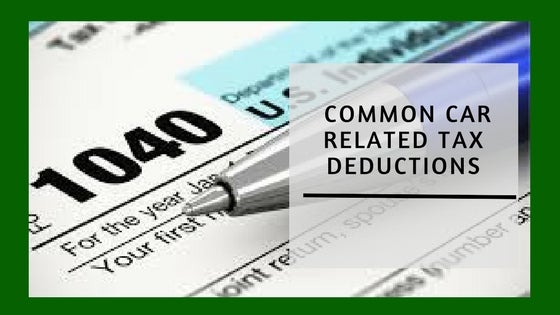
Common Car Related Tax Deductions

Yes, it is time to start thinking about the upcoming tax season. Most taxpayers may have a refund from Uncle Sam but it never hurts to know more about available deductions. Good news is your car can save you money come tax-time. Merit Chevrolet  has put together an overview of these deductions but be sure to check the IRS website for official guidelines. There are some common car-related tax deductions available. While some people fill out their tax return themselves, many go to professionals (such as an accountant) for help. Either way, be sure to gather your receipts and documents in preparation for that important meeting. Read on to learn what to discuss with your accountant or other tax professional. Business UseIf you use your car exclusively for business, you can deduct car expenses, according to the IRS website. This tax deduction applies if you own your own business, are a freelancer or entrepreneur. Car deductions are for a car, van, pickup or panel truck used for business according to the IRS website.If you use your car for both business and personal purposes, you must divide your expenses based on actual mileage. Note: costs related to travel between a taxpayer's home and regular place of work are commuting expenses and are not deductible. Leasing a business vehicle. If you lease a cars for business, the entire lease payment can be deducted from the taxable income. In some cases they can combine this with individual deductions, such as operating costs. There are other less common vehicle deductions that might apply to you. If you own a rental property, you can deduct mileage driving to and from it. Driving to and from charitable or volunteer events allows for a 14 cent per mile deduction. Traffic and parking tickets do not qualify. When you are working and on company time, those are your responsibility, not your employer's. Taking a business class or workshop? You can also deduct the miles you drive to qualifying professional development classes and workshops that help you maintain or improve your job skills. The course or courses are required by your employer or law to keep your present salary. You must itemize these costs on your tax return. Check the IRS website for the correct form. Have job interviews last year? The standard mileage deduction may apply to your travel while looking for a new job. The trip must be directly related to your job search. You can't include miles driven while on a shopping trip that same day. You must itemize your deductions and claim them as a unreimbursed expense. For updated information, refer to IRS Publication 463, Travel, Entertainment, Gift, and Car Expenses. For a list of current-year and prior-year mileage rates see "Standard Mileage Rates." There's a separate table for those who lease their vehicles. If you are self-employed, you may either deduct your exact expenses or use the optional standard mileage rate to calculate deductions.

We Have 2016 Chevy Silverados!

We Have 2016 Chevy Silverados!

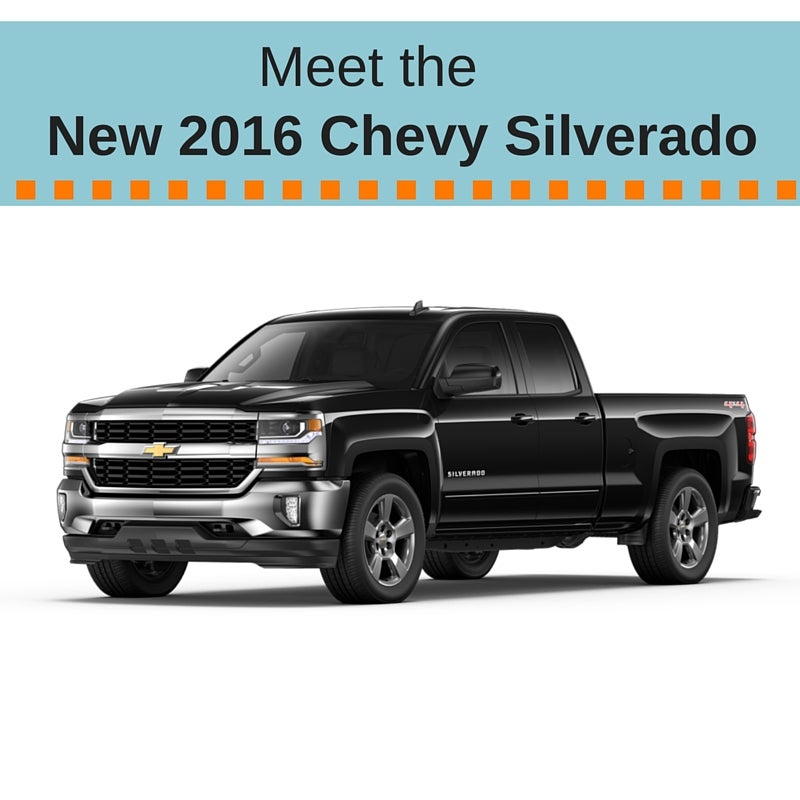
If you're shopping for a new truck, the 2016 Silverado is a great option. We have plenty of inventory and our friendly team is here to help you schedule a test drive and learn more about the Silverado. Maplewood area drivers can visit us in person to view our 2016 Silverados. View our inventory here. The Silverado was awarded the "Highest Ranked Large Light Duty Pickup in Initial Quality, Two Years in a Row by J.D. Power. The Silverado has several features that make it comfortable for driving, hauling and cruising. Silverado LTZ, LTZ Z71 and High Country feature full LED lighting package including LED headlamps, daytime running lamps, foglamps, park/turn signal lamps and taillamps. Silverado, Silverado LS, Custom, and LT and LT Z71 feature Projector headlamps and LED daytime running lamps (LED foglamps optional on LT and standard on LT Z71). Triple-seal inlaid doors, an aerodynamic windshield and a tuned exhaust system reduce noise in the cabin, while dual-resilient foam seats offer long-lasting comfort. USB ports† and an available 110V plug-in give plenty of options for keeping your compatible devices charged up and ready to go, no matter where the day takes you. The 5th generation of our legendary small block engines use three proven fuel-saving technologies - Active Fuel Management, Direct Injection and Continuously Variable Valve Timing - to deliver impressive efficiency with performance you can rely on. For an optimal balance between power and acceleration, Silverado offers an 8-speed transmission. Silverado technology keeps you connected like available 4G LTEWi-Fi®†, wireless charging† and Chevrolet MyLink† with an 8-inch diagonal color touch-screen display. Whether you're streaming music through Pandora† radio or using Bluetooth† to make hands-free calls, find directions, or access your playlists, the available Chevrolet MyLink† will help keep you connected and entertained on the road. Silverado is the first full-size pickup to offer wireless charging†, so you can charge your compatible smartphone without a cord using the charging pad built into the center armrest. Silverado is the first full-size pickup to offer 4G LTE Wi-Fi®†. The signal is more powerful than your smartphone and provides a connection for up to seven devices. OnStar RemoteLinkThe OnStar RemoteLink®† mobile app lets you control many of your vehicle's features from your mobile device. Access comes standard for five years with the OnStar® Basic Plan† and allows you to: - Remotely start your Silverado if equipped with factory-installed remote start system - Lock/unlock doors (requires automatic locks) - Manage available OnStar® 4G LTE† connection - Send directions to your vehicle with available OnStar® navigation†

The 2017 Silverado

It's no secret that the Chevrolet Silverado is among the most well-liked pickup trucks available, and the 2017 Silverado is no exception. Reliable and equipped to handle just about any situation you use it in, this full-size pickup seriously can do it all. 1. You have choices. Pick from three engine options - a 285-hp 4.3-liter V-6, 355-hp 5.3-liter V-8 or 420-hp 6.2-liter V-8. Find balance with the EcoTec 3 engine and Active Fuel Management. 2. Work with comfort. There is plenty of cabin space to go around - both front and back. You can rest after working hard. 3. Work with tech. Choose to outsmart the competition with available 4G LTE Wi-Fi connectivity, wireless phone charging, a teen driver safety mode, a driver alert package, and Android Auto and Apple CarPlay.

Driving in the snow

Driving in the Snow

When roads are covered in ice or snow, drive with more caution. Here are some additional tips from Merit Chevrolet. • Accelerate and decelerate slowly. Applying the gas slowly to accelerate is the best method for regaining traction and avoiding skids. Don't try to get moving in a hurry. And take time to slow down for a stoplight. Remember: It takes longer to slow down on icy roads.• Drive slowly. Everything takes longer on snow-covered roads. Accelerating, stopping, turning - nothing happens as quickly as on dry pavement. Give yourself time to maneuver by driving slowly.• The normal dry pavement following distance of three to four seconds should be increased to eight to ten seconds. This increased margin of safety will provide the longer distance needed if you have to stop.• Know your brakes. If you have anti-lock brakes (ABS) and need to slow down quickly, press hard on the pedal-it's normal for the pedal to vibrate a bit when the ABS is activated. In cars without ABS, use "threshold" breaking, keeping your heel on the floorboard and using th ball of your foot to apply firm, steady pressure on the brake pedal.• Don't stop if you can avoid it. There's a big difference in the amount of inertia it takes to start moving from a full stop versus how much it takes to get moving while still rolling. If you can slow down enough to keep rolling until a traffic light changes, do it.• Don't power up hills. Applying extra gas on snow-covered roads just starts your wheels spinning. Try to get a little inertia going before you reach the hill and let that inertia carry you to the top. As you reach the crest of the hill, reduce your speed and proceed down hill as slowly as possible.• Don't stop going up a hill. There's nothing worse than trying to get moving up a hill on an icy road. Get some inertia going on a flat roadway before you take on the hill.• Stay home. If you really don't have to go out, don't. Even if you can drive well in the snow, not everyone else can. Don't tempt fate: If you don't have somewhere you have to be, watch the snow from indoors.

Winter Tire Tips

Winter Tire Tips

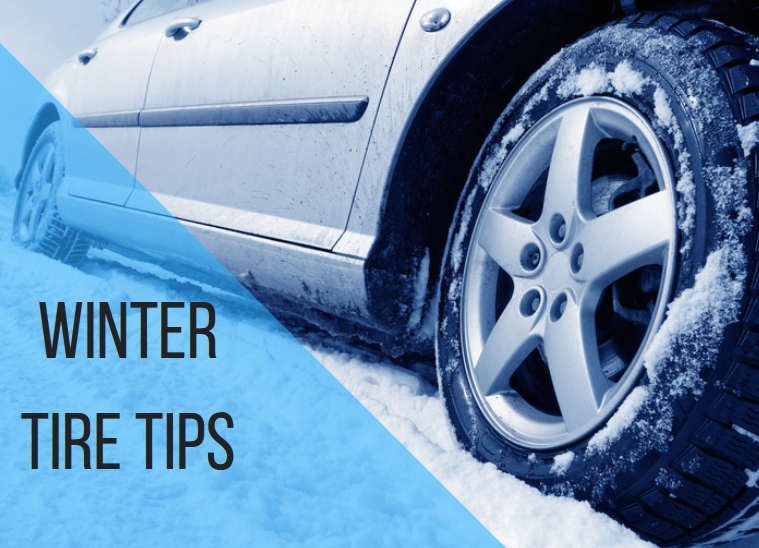
Winter Tires are designed to deliver safety and control in snow, ice, and cold weather conditions. Many people think that all-season tires can deliver this same performance, but this is not true. The superior traction that winter tires deliver, as much as a 25 to 50 percent increase over all-season tires, can very well be the margin you need to stop in time or turn to avoid trouble. Tread Compound Winter tires have special tread compounds that use one or more of the following features to deliver improved traction: 1. "Soft stud" tread fibers that "bite" like metal studs yet are quiet and do not harm the road 2. Special compounds that retain their flexibility even in the coldest temperatures (A more flexible tread surface equals more traction and control.) 3. Silica-based, micro pore compounds (or comparable technology) that are used to bite through the water film to increase snow and ice traction Tread Design Winter tires have tread designs dedicated to improving snow and ice traction. Today's most advanced winter designs deliver this while maintaining a comfortable, quiet highway ride as well as excellent dry traction. Winter tires use the following features in their tread design: 1. Wider circumferential grooves that enhance winter traction by providing efficient channels to drain water and expel snow 2. Smaller shoulder grooves that increase snow and ice traction with no sacrifice in dry handling or highway ride 3. Sophisticated, high-density sipe designs that help cut through water and slush so the tread compound can make better contact with the road 4. Rounder casing designs that add traction by cutting into the snow's surface All-season tires can not include these features and still deliver the wear and high temperature traction that is required for driving during other times of the year. The following details also make all-season tires less desirable for driving in winter conditions: 1. Shoulder blocks and groove designs that are "compromised" to meet cornering, wear, and all-season traction requirements 2. Less aggressive tread design that delivers more highway ride comfort but fails to expel snow as efficiently as winter tires 3. Less siping than winter tires 4. Flatter tread designs that enhance dry traction but don't cut into snow effectively

Fall Car Care

Fall Car Care & The Penny Test

All weather can mean rainy days and cooler nights. Taking time to maintain your vehicle makes a huge difference and can prevent additional repairs down the road. Ever stepped on the gas and felt the tires spin? It's definitely time for some TLC as October is Fall Car Care Month. Special attention should be paid to the tread on your tires, especially for the gray, rainy days that often occur this time of year. Without sufficient tread depth, your vehicle can't properly grip the road. Under wet weather conditions, insufficient tread depth can cause a vehicle to hydroplane - skim over the surface of the road with little or no traction, which can lead to a crash. So check your tread. All you need is a Lincoln penny. 1. Insert Abe's head into the tread in a couple of spots on each tire. If you can see the entire top of his head, your tread is less that one-sixteenth of an inch deep - below the level where you can count on it in slippery conditions. It should be replaced. 2. When the tread is worn down to 2/32 of an inch, tires must be replaced. 3. All tires have "wear bars," which are small, raised bars of rubber in the groove that indicate when tires are worn out. If your tread is worn down to the wear bars, it's time for a new tire.

Child Passenger Safety

Car Seat Basics & Child Safety

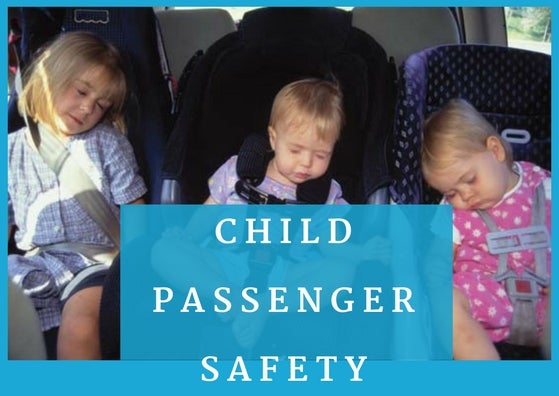
Kids are precious cargo and Merit Chevrolet would like to share some general tips on how to keep your kids safe on the road. Common sense dictates children should ride secured in a car seat while in the vehicle. However, navigating the landscape of car seats and installation can be daunting. Good news, there are several online and local resources to help parents understand the do's and don'ts of car seats. CarSafety.org is an excellent online resource to start with and offers a car seat buying guide in addition to many other tips and articles. Parent Central has an interactive car seat selector to help you decide on the right car seat by child's age and size. Once you've decided on the right car seat, have your car seat inspected by National Highway Safety Administration (NHTSA) . Certified technicians will inspect your child car seat, in most cases, free of charge - and show you how to correctly install and use it. Use the Child Car Seat Inspection Station Locator to find a station near you. General Tips from SaferCar.Gov • Select a car seat based on your child's age and size, and choose a seat that fits in your vehicle and use it every time. • Always refer to your specific car seat manufacturer's instructions (check height and weight limits) and read the vehicle owner's manual on how to install the car seat using the seat belt or lower anchors and a tether, if available. • To maximize safety, keep your child in the car seat for as long as possible, as long as the child fits within the manufacturer's height and weight requirements. • Keep your child in the back seat at least through age 12. Kids 12 and under should ALWAYS ride in the back seat. This cuts their risk of death by 36%. • Kids should be in a carseat or booster until they can be seated properly in a seatbelt. For most kids, this is around 8-12 years old or 4' 9" tall, but proper seatbelt fit is the most important factor. • Never place a rear-facing carseat in the front seat when there is an active frontal airbag. • Keep your baby rear-facing as long as possible. That can mean up to 35 or 40 pounds in most current convertible seats, unless they outgrow it by height first. • Make sure that the harness fits snugly on your child, the carseat fits snugly in your vehicle, and that your vehicle seatbelts are locked properly. • When you buy a carseat, make sure you have a good return policy in case it doesn't fit or in case you find you don't like it. Have your seat inspected by a certified technician for free at a checkup event or fitting station. • Please be wary of used carseats, especially those over six years old, those with an unknown history that may have been in a crash, those that show any form of cracks or damage, and those with missing labels, model number, manufacturing date, instructions or parts. • Please give driving your complete, unimpaired attention and wear your own seatbelt all the time. These two simple steps are among these easiest ways you can protect yourself and your passengers from injury or death.

Pet Safety Tips

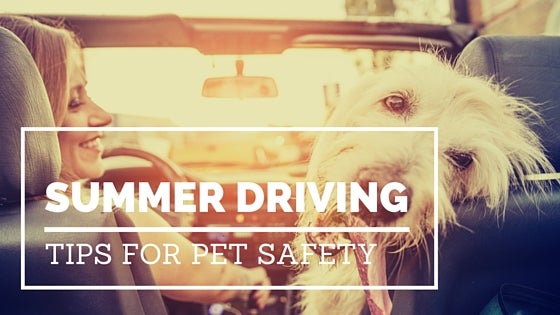
Pet Safety Tips for Summer Driving

Warm weather can mean more time in the car and on the road with a furry family member. Merit Chevrolet has compiled tips to keep in mind when traveling with your pet. Crate Your Pet Many people feel guilty about crating their animals on a trip, but it's for their own safety. Just make sure the crate is well-ventilated and large enough for them to stand, lie down, and turn around in. You should also ensure that the crate won't shift during sudden maneuvers. Dogs in cars When driving, there are a few different options for safely transporting pets. Use a dog carrier that is large enough for them to stand and turn around in. Letting your dog roam free in the car without restraint is never a good idea, however some dogs might tolerate a canine seatbelt, which is a harness that attaches to the car's seatbelt. Another option would be to use a dog car divider or barrier, for safe transportation of larger dogs in the back of a hatchback or SUV. If traveling by truck, always secure a pet carrier with a harness specifically designed for a truck bed. Simply tying your dog's leash to the truck is not recommended; the dog may end up jumping or falling out of the truck and while still attached by the collar could result with fatal consequences. Cats in cars Contrary to popular belief, car travel is possible with cats. Placing your cat in a carrier is highly recommended. Cats can be quite vocal when riding, but will usually quiet down over time. Feline calming pheromones, such as Feliway sprays are very helpful to calm a stressed kitty. Prior to your trip, allowing your cat to acclimate to the carrier is also a good idea. Place your cat's food, water and toys in inside the carrier and allow them to come and go, until they feel comfortable. Can pets get car sick? Pets can get motion sickness just like people. It's common for puppies to vomit during their first couple car rides. Most dogs will outgrow motion sickness, but you can try withholding a meal right before your trip to help ease nausea. However, be cautious withholding meals in small breed puppies, which need access to food often, in order to prevent low blood sugar. Most anti-nausea medications such as Dramamine and Benadryl are safe to use in dogs, but always talk to your veterinarian before giving any amount to your pets. Never Leave Your Pet in a Hot Car This tip simply cannot be overstated. You should never leave your animal in a hot car for any length of time - even 'just for a minute'. Regardless of if your vehicle is hidden in the shade with the windows rolled down, a parked automobile can become a furnace within minutes. Even leaving your furry friends water to drink won't help because animals can't expel heat as effectively as humans, leaving them at much higher risk for heatstroke.

Three Car Buying Myths

Three Car Buying Myths

Generations of car dealership interactions have led to the development of many different tips, tricks, and myths related to buying cars. Car buying really just comes down to doing your research, test driving and being prepared to make a purchase when you find the car you want. In the internet age, you have easy access to all the information you need to make an informed buying decision, which means some of the old dealership myths no longer hold any weight. Be wary about the below three myths and just do your own research. Myth #1 Dealerships are out to get you. Successful car dealerships - and all successful businesses for that matter - remain successful because of great customer relations. Car dealerships that treat their customers poorly or try to trick customers won't be in business long, especially in the internet age. Our first priority as a dealership is to provide you with top automotive solutions, from automotive repair to helping you find the right car that fits your desires. Myth #2 Kelley Blue Book is fact. Kelley Blue Book is a good tool to use as a guide, but it should only be used as a guide. Trade-in value is based on year, model, mileage, conditioning and market demand. For a car dealership, demand is one of the biggest factors we consider. A good practice is to compare Kelley Blue Book numbers with local sales data of your vehicle to get an idea of what it is worth. Myth #3 Extended warranties are rip-offs. Extended warranties are an option. You don't have to buy them. We offer them because life happens. Unforeseen things can go wrong with even the best cared for vehicles and extended warranties can help when unforeseen things happen. You're paying for peace of mind with an extended warranty.

Memorial Day Gas Saving Tips

Memorial Day begins the wave of summer vacations and excursions, which means a lot of driving tends to occur around Memorial Day weekend. So with Memorial Day just around the corner, Merit Chevrolet wants to remind everyone about a few fuel saving tips. Now, just to be clear, you'll save the most gas with a fuel-efficient vehicle, but if you don't have that option, then there are a few things you can do to maximize fuel efficiency in your vehicle. Lose any unneeded cargo. Extra cargo means extra weight. More weight translates to faster gas consumption because your vehicle's engine has to work harder. We understand summer trips require plenty of luggage and travel companions but if you can limit the luggage to a bare minimum, it could help you save on gas. Slow down for better economy. The threshold at which most cars begin to consume gas faster is between 50 MPH and 60 MPH on average. So, if you're okay with easing off the gas pedal on the highway and maintaining a speed between 50 MPH and 60 MPH, then you'll get the most of out your vehicle's fuel efficiency. The air conditioner isn’t cool for fuel efficiency. Summer is hot. Driving in summer can be hotter. The air conditioner might seem like a cool savior when the cabin of your vehicle feels like an oven but be prepared to watch your gas gauge drop fast when you use it. If rolling down the window cools your car enough, do that. Save the AC for the most unruly of hot days.

Tire Care Tips

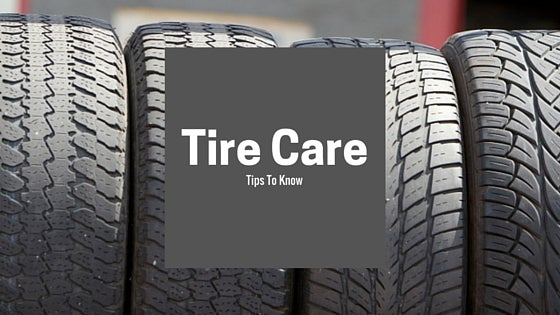
Tire Care Tips

Tires make movement possible; without them your vehicle is just a fancy machine with no legs. And if you choose to drive on bad tires, your vehicle might take you somewhere but it won't be a safe ride. I guess what we're trying to say is tires are key pieces of a vehicle that also happen to be easy to maintain. You can complete most tire care practices by yourself and the few maintenance tasks that you can't do at home are cheap compared to major auto repairs. If you want to extend the life of your tires, simply follow the below steps. 1. Check Tire Pressure RegularlyPoor tire pressure affects fuel efficiency and tire wear negatively. If you maintain optimal tire pressure it will extend the life of the tire and your vehicle will perform at top-rated MPG levels. You can find optimal tire inflation levels printed in your owner’s manual, the label on your vehicle’s doorjamb, inside the fuel hatch or on the glove compartment door. You should not follow the maximum operating pressure on the sidewall of your tires. 2. Rotate Your Tires Every Six to Eight Thousand MilesRotating tires extends their life by helping the tire tread to wear evenly. Each tire and wheel is moved to a different position, thus balancing out tire wear overtime. 3. Check Suspension Alignment Front and rear suspension alignment ensures your vehicle maintains top handling, and it's a practice that increases the life and performance of tires. Optimal alignment can be ruined by simple potholes and railroad crossings or lager impacts from accidents. If you notice heavy vibrations while driving or uneven tire wear, you should consider checking the alignment. 4. Always Keep Your Tires and Wheels Balanced Wheels out of balance can cause irregular treadwear and vibration. Every time you purchase new tires, the tires need to be balanced; the first sign of uneven treadwear or heavy vibrations, you should consider checking tire balance.

Contact Us

Fill out this form below and we'll contact you shortly
*Required Fields