Blog

All Maplewood Chevrolet Dealer Maplewood Chevrolet Service
Car Radio

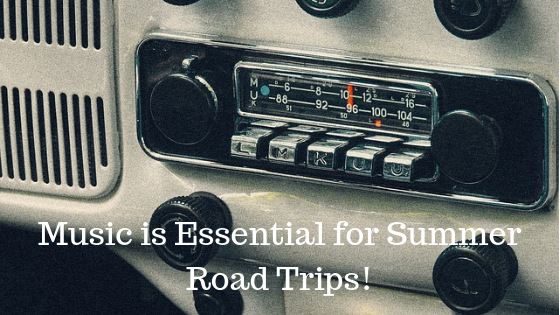
Music is Essential for Summer Road Trips!

Whether you're listening to the latest podcast or NPR channel, you might just end up wishing you had some great music along for the ride. Music and road trips go hand in hand, and if you're looking for some new tunes, there are many places to find and download music: iTunes Store Amazon MP3 Spotify Napster eMusic 7digital There are even more places to find a good song list. But how do you entertain the whole family? Or your best friend who decided to take his or her vacation time, so they could drive with you across the country. If you're travelling with your family, show tunes are always a great choice. Most of us can even sing along to some of the old standards: South Pacific West Side Story My Fair Lady Bye, Bye Birdie Grease More genres to choose from, to satisfy most musical tastes: Folk Pop HipHop Jazz Country Classical Rap Punk Reggae Doing a simple search online can go a long way to help you build your library. Searching Spotify, Pinterest and Google, will come up with some great choices, whether it's an old favorite we know all the words to, or something brand new. Have a great trip, and drive safe!

Vehicle Interior

Tips to Stop Distracted Driving

Did you know that distracted driving is becoming the leading cause of traffic accidents? According to the National Safety Council, as many as 40,000 people died in auto accidents last year, which is the highest number since 2007. One factor that contributes to this statistic is the increasing number of people who own smartphones. Whether it's texting, talking, eating - or anything that takes the driver's attention off the road, a crash can be the unfortunate result of that. The good news is that there are a few simple steps you can take to keep yourself safer on the road: 1. Don't use your phone while driving. If you have to make a call, make sure to link your vehicle's hands-free system ahead of time if it's equipped with one. Do check your local laws and regulations on what's allowed. 2. Plan ahead and allow extra time so you're not in a rush. If you're using GPS to navigate, be aware that it may not always be accurate due to road construction or other factors. 3. Observe speed limits. Going over the speed limit means that it takes more time to make an emergency stop, which means you're more likely to get into an accident. 4. Have a plan in case of an accident. Be sure to carry an up-to-date insurance card, and print out an accident report form like this one and keep it in your glove compartment. Source: https://al.st/28O7j7k

car care tips

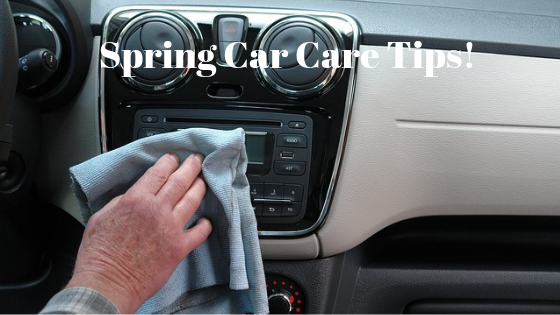
Spring Car Care Tips!

Here comes the sun and rising temperatures, which means an entirely different strategy for car care. Here are six simple tips to help you care for your vehicle as we make way for spring!! 1. Wash and Wax One of the single most important things as spring starts. Allowing debris and grime to build up on your car can affect its paint and finish. 2. Clean the Inside, Too Nobody wants to spend time cleaning out their car during a cold winter day. That's why spring is the perfect time to clean your car's interior, Spring Cleaning we like to call it. Remove and throw away any trash and other items that have accumulated in your vehicle over the winter. 3. Check Your Tire Pressures As air gets warmer again in the spring, tire pressures can increase; If the pressure increases past your manufacturer specification (because you added air during the winter), it can seriously affect your car's drivability and fuel economy. 4. Inspect Your Wiper Blades As spring starts and temperatures warm up, check your wiper blades for any signs of wear. The wiper itself could wear dramatically over the winter due to ice buildup or other issues on your windshield. 5. Check Under the Hood Do a thorough check under your hood to make sure your car's engine made it through the winter without problems including checking your fluids. Specifically, check belts and hoses to ensure the cold temperatures haven't rendered them brittle or heavily worn. 6. Check Alignment and Suspension If you find yourself frequently traveling roads with huge potholes or rocks that have emerged from the asphalt, it could ruin your car's alignment or damage suspension components. We advise that if you've taken your car to a mechanic to check under the hood, ask for a quick suspension and alignment check to make sure nothing is too far outside the manufacturer's specifications. Happy Spring!

SPRING DRIVING TIPS

SPRING DRIVING TIPS

Spring time brings rain and the after effects of winter weather, potholes and uneven pavement. Keep these driving tips in mind before you travel:•Spring showers bring May flowers - and wet driving conditions. Slow down on slick roads, and increase your following distance even when mist begins to fall. Just a small amount of water can mix with oil and grease on the road to create slippery conditions. •Share the road. Warm weather brings out motorcyclists, bicyclists and pedestrians. •Understand the impact of medications on driving: For many people, spring means seasonal allergies. Over-the-counter allergy drugs can have side effects or interact with other medications to diminish your driving ability •If possible, go around potholes. •Deep potholes can throw your car out of alignment or worse, forcing you to buy a new wheel and a new tire. You may be able to file a claim (laws differ from city to city and state to state), but you you'll likely have to prove negligence on the part of the city. •Avoid driving through large puddles. Driving through water can impair your brakes, cloud your vision, or cause you to hydroplane. •Keep your tires properly inflated. Full tires can reduce the damage caused by potholes and other road hazards. SCHEDULE SERVICE with us, and we'll make sure you're in tip-top shape.

Chevy Silverado

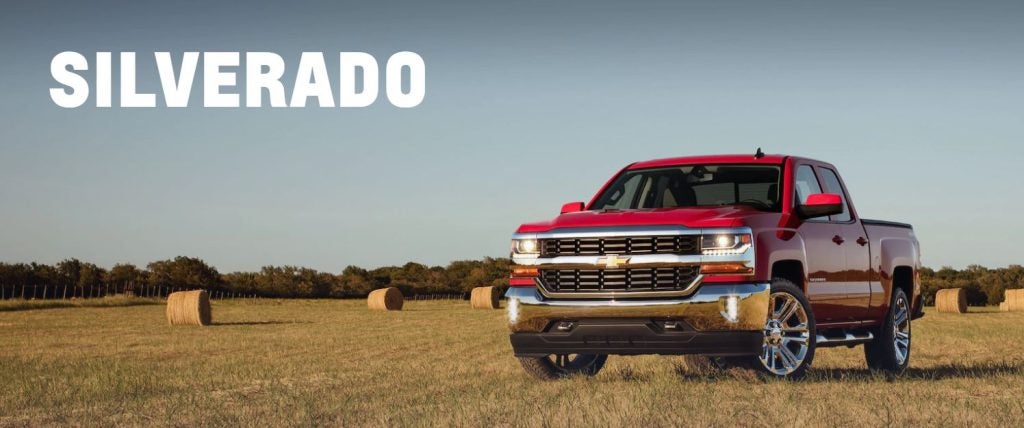
2018 Silverado

The 2018 Chevrolet Silverado is a rather interesting model, and is the culmination of close to a century of work from Chevrolet. This pick-up is, to many, the pinnacle of their work and probably as close to 'perfect' as you are likely to get on the road at this moment in time. The Chevrolet Silverado 1500 is a very impressive piece of hardware. It's very capable of handling all 'pickup-y' tasks and is the true definition of American strength, energy and gusto. It's very powerful, thanks to the inclusion of a 6.2l V8 engine ensuring that it gives you a whopping 420BHP of power. Add in the ability to tow 12,500 pounds and this is an absolute workhorse of a machine. The latest edition to the 'family' adds some nice new features, if a little low-key in terms of new add-ons. For example, it now brings a back-up camera and also a new tire pressure monitor that gives you a clearly audible warning alert when it seems like air pressure is not at the level that it should be. Also, it can be a semi-hybrid electric if you would prefer to do so. If you are looking to go eco-friendlier then this might be the place to start. Add in the fact this comes with nice add-ons and trims due to it being a centenary edition and it is very easy to see why so many people are in such a positive moo about the latest version of the Silverado in its current form. Pros-It is very strong. If you are looking for a pick-up that can handle the weight without issue, then this is one for you.-It's durable and has plenty of space inside. If you feel rather cramped up in other pick-ups,-this can offer you exactly what you need.-The information systems on the dashboard are super-simple to work with, making this a piece of cake to drive around in. Cons-The seats can begin to leave you feeling rather uncomfortable after a few hours. If you find that you are sitting down and doing a lot of driving, maybe grab a cushion!-The ride itself is quite large and chunky. It looks good, but it's not got that smashing style that you would be used to seeing from a pick-up in the modern world. Efficient, but rough aesthetically. Overall, this new version of the truck is a very impressive piece of kit. It adds a lot of nice improvements over previous models, but maintains that he kind of features that makes it stand out so much in the first place. It's a high quality and reliable piece of hardware that definitely delivers on the factors and features that you would most definitely expect. That being said, it's also a powerful towing truck and offers functionality. If you are not looking for something that is all about the look, which this lacks a little even with the centenary add-ons, then the Silverado is a very good choice for just about any requirement you have.

Top Overlooked Fluids to Check in Your Car

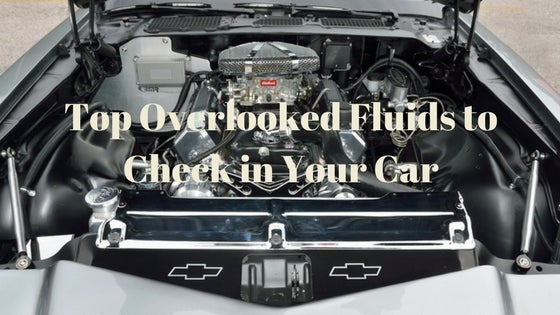
Top Overlooked Fluids to Check in Your Car

Should you have grown up with a resident car expert in the family, you'll likely be sick of hearing them say "check your fluids, check your fluids!" but it's not something you should ignore. Ignore it at your peril, in fact; a car that has poor fluid control is a car that will put you in a lot of danger later on in its life. That nag in the family might mention it to you every time you get in the car, but they have a very good point. So, what are the kinds of fluids that you should be checking - and what are the fluids that not enough people look into? • Transmission Fluids. These are regularly forgotten about and tend to be a problem after around 100,000 miles. Still, change it after every 50-60k instead for the best performance. This is going to manage your cars maintenance costs and is going to ensure that it can handle the amount of work that you need to put in on the roads to drive safe and sound. If you want your car to last you for as long as it possibly can, then invest in a new fluid as often as you can. • Brake Fluid. For something so important, it's regularly left until it's too late to check out. Brake fluid has to be checked on a regular basis, so if you want to make sure your car is as safe as it can be then you should invest in regular brake fluid management. A failure to do so can see rust and corrosion in the bake system, which could be quite bad in the long-run. Make sure you invest in checking out your brake fluid levels. • Coolant Fluids. Often left until it is too late, your coolant fluids have to be changed as often as possible to keep things nice and safe. Changing this every 40-60,000 miles makes sense as otherwise you can have more than your fair share of problems along the way. This matters as an incorrect level of coolant can see the pH balance knocked out of sync which can cause all manner of problems for you later on down the line. • Motor Oils. Probably the most common mistake being made by most drivers is the lack of change to their motor oils. Motor oils have to be changed on a rather regular basis as it helps to lubricate the engine. Without lubrication, your engine is going to have a harder time of it, meaning that more issues can take place and cause your car to erode faster. This helps to avoid all that muck and debris that gets caught up in the oil filter from becoming an issue. With this in mind, you will be more than equipped to see a positive change in the way that you think about oils. Now, just remember to change them as often as possible!

School Ready

Getting Your Car Back to School Ready

As the summer ends and reality dawns once again, it's time to start paying attention to getting yourself ready for school. Sadly, getting your car back to school ready style means taking a lot of time to look at the more engaging parts of owning a car. You need to be prepared to take more care of it, to make it less 'flash' and to do quite of messing around and changing to get it ready for going back to school with. So, let's see what you need to start off with if you want to get your car road-ready for going back to school with. Getting Your Car Back to School Ready: Checklist - Start off by taking a closer look under the hood. Are your fluid levels good? How is the engine oil coming alone - do you need more? What about brake and steering fluid; still enough? - Are you checking the transmission or the coolant often enough? If you aren't then you are asking for trouble. Make sure you check the car manual and get all of your fluids up to the level they need to be at. - Also, check the battery of the car; batteries are vital to the lifespan and strength of the car retaining usage for years to come. Test it with a voltmeter - your dad or uncle might have one - and then see if the engine is hitting the levels if should as per the manual. - Be sure to take a look at your tires, too. Are they bald(ing)? Are they beginning to look uneven or worn on any parts? Is there anything stuck in there that could be causing pressure to escape and making the tire weaker and less able to the job that you need? - Also, check tire pressure when you aren't driving and you can get a better chance of seeing how good the pressure of the tires is. The tire manufacturer's site should give you a good idea of the ideal tire usage, for sure. - Are your lights working fine? You don't want to be getting a breaching from a teacher for not dealing with this all-important one. Take the time to look at the quality of your lights and if they are still operating as they should. If you cannot see them working as they should then get to a garage ASAP; lights are vital, and keep you safe as well as road worthy. - At this point, you should probably be looking for a mechanic locally to help you solve any of the issues above. While some of them are DIY-sortable and others are easy to just replace, it pays to do a bit of digging around into locals to see who can help you and for the best price. Just be aware that you need to turn up with a good list of what has gone wrong; mechanics will see a young driver coming a mile away. Be specific and get to school safely!

Delayed Service

Hidden Risks of Delayed Car Service.

For some people out there, car maintenance or service is nothing more than filling up their fuel tank. If checking your vehicle before every drive sounds a waste of time and money, it is something you cannot overlook. Though it is not one of your main priorities, regular vehicle service can help eliminate higher expenditures in the long run. Aside from that, it can ensure an increase driving safety, functional performance, excellent fuel economy, extended lifespan, and much more. But delaying car service lessens your chance to experience countless benefits which will lead to hassles. Due to delayed car service, here are the following risks you cannot afford to encounter. • Oil Sludge Build up In the Engine Just like a gel, any built up oil sludge adheres to many parts of your engine. It seems a simple problem but it definitely inhibits the smooth or normal flow of oil over the engine of your car. Once it remains unresolved, it will pollute the engine that can cost beyond your imagination. This is why calling a car service provider on a regular basis is very imperative. It is the perfect solution to protect your investment. • Inadequate Protection and Safety Have you ever experienced car mechanical failure on the road? Whatever the case maybe, you might get injured and did not know what to do. But you are still lucky because this problem might put your life at stake. To have the peace of mind, it is always best to hire a qualified company ahead of time. Giving them a try can keep the braking, steering, or suspension in an ideal condition. Frequent car maintenance really plays a pivotal role in locating or addressing wear and other potential issues. Despite the expenses you might handle, your protection and safety are the most important things money could not compensate. Thus, let a well-skilled provider deal with all your needs for your convenience and comfort. • Unnecessary Wear and Tear The failure to count on a car repair or maintenance company can result in excessive or unnecessary wear and tear. Although this might not sound a big problem, taking action as soon as possible is very indispensable. Most of the time, wear and tear could reduce the quality and performance of your vehicle. If you do not want your money and effort is futile, give the nearest professional a call. • Vehicle Damage Do you know that driving an inefficient car can lead to an expensive damage? Well, it's certainly true. If you always take a ride using a dysfunctional vehicle, it would result in severe issues. So, it is advisable to set an appointment with a service provider. This would not only help avoid problems like that but also give you a stress-free journey. When looking for a service provider, it is perfect to take advantage of the internet. With just a few clicks, you will find the one that can exceed your expectation. But it is not that easy. Fortunately, we're here to come to your rescue. Give us a call and witness our commitment to serve you!

Avoid Road Rage

How to Avoid Road Rage.

We've all seen it - people absolutely losing it at the traffic lights. People getting out of their cars and genuinely having a fight in the middle of the street. It might not seem likely, but the convenience of a car seems to bring out all of our rage. When we can't get where we want, when we want, it can bring out the worst in even the nicest of people. If you are worried about road rage or you have got yourself into this pickle in the past, here are some of the easiest and most effective ways to avoid road rage. • Be The Bigger Person. If someone is tailgating you, the last thing you need to do is start roaring at them from the driver's seat. Concentrate on the road and if it's really bothering you, move over and let them in command. It's not worth the stress or getting into a fight over: just remember that you don't do that kind of thing. If you find yourself in a situation like this, it's always better to give the quick wave of apology and move on: who wants to get into a roadside battle, anyway? • Concentrate On Yourself. Speaking of which, it's easier to stay calm on the roads if you accept that not everyone is a great driver. If you pay attention to your own driving and are cautious at all times, then you don't need to let the bad drivers annoy you or put you off. Be more conscious about yourself in terms of time-keeping, too; it's not someone else's fault that you are 15 minutes late and now need to make up time on the motorway! • Who's At Fault? Most road rage stems from either misreading a situation or trying to save face and avoid embarrassment. You should therefore take the time that you need to be more careful about how you drive and where you drive. Had a stand-off with another driver? Perhaps ask yourself what role you played in that happening, and whether or not you could have done more to prevent it. • Don't Honk. Honking is something that you should use for emergencies - avoiding hitting someone or something, that kind of thing. Honking at a driver who wasn't perfect is poor form, and just creates aggravation and anger among other drivers. Don't drive around honking the horn at people who are slightly out of sync: it's going to make you look the bad guy and probably make you come across as quite boorish and arrogant. • Avoid Eye-Contact. Eyes on the road, not the daft driver! Always take your time when driving to go around corners accordingly and to make sure that you are consistently on track when it comes to driving. Again, the best thing that you can do is pay attention to yourself. With this in mind, you can hopefully find that life is a touch more serene on the roads. A touch of self-reflection and patience alongside calming, relaxing music helps, too. Just remember that road rage won't make you or the other person a better driver!

Keeping Kids & Dogs Safe

Keeping Kids & Dogs Safe

Summer weather means hot temperatures and the inside of cars get even hotter so remember it is never OK to leave kids or pets in a car -- even with the windows down. Kids are more susceptible and at higher risk for heat-related illness and injury than adults because their bodies make more heat relative to their size and their abilities to cool through sweating are not as developed as adults. On a day that is just 72 degrees Fahrenheit, the temperature can increase by 30 to 40 degrees in an hour, and 70% of this increase occurs the first 30 minutes. If you suspect your child has heatstroke consult a doctor immediately and provide fluids. Give your child as much cold water as he will drink. Do this until he feels better. If you have a sports drink such as Gatorade, give it instead. Sports drinks contain water, salt and sugar. Beating the heat is extra tough for dogs because they can only cool themselves by panting and by sweating through their paw pads.If you see a dog left alone in a hot car, take down the car's color, model, make, and license plate number. Have the owner paged in the nearest buildings, or call local humane authorities or police. Have someone keep an eye on the dog. If your dog becomes overheated there are steps you can take. Provide water to drink, and if possible spray the dog with a garden hose or immerse him or her in a tub of cool (but not iced) water for up to two minutes in order to lower the body temperature gradually. You can also place the dog in front of an electric fan. Applying cool, wet towels to the groin area, stomach, chest, and paws can also help. Be careful not to use ice or cold water, and don't overcool the animal.

Chevy car

New Car Care Tips

You've taken the plunge and brought home your shiny new car. It's a thing of beauty which you'll be admiring for a while every time you see it. You'll likely be hearing advice from friends and neighbors who stop by to see your new ride. Here are a few tips to take care of your new vehicle. Performing simple preventative maintenance on your vehicle will go a long way toward protecting your vehicle investment Brakes New brake pads on new brake rotors don't really require a break-in procedure. The texture deliberately left on the surface of the iron discs will grind down the fresh surface of the pad material within a few miles. Even so, refrain from high-speed stops or dragging the brakes for a few hundred miles. Oil Change the oil regularly. Interior A generous dousing of Scotchgard or a similar protectant on the cloth upholstery and carpets will keep dirt, pollen and mildew from clinging. Exterior Protect the paint surface from harsh environmental elements and prevent premature aging with a car wax, paint protectant or paint sealant.

Changing a flat tire

How to Change a Flat Tire

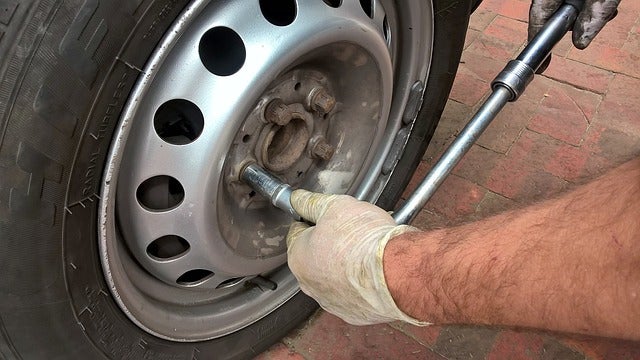
There is nothing worse than being stranded on the side of a Minnesota road with a flat tire. While you might prefer to leave changing your flat to a professional, there may be a time you will have to do it yourself.It's beneficial for Maplewood area drivers to practice changing a tire in your garage or driveway to ensure you're ready to handle this situation if it ever happens to you. Merit Chevrolet has compiled these steps so you have the knowledge and know what to do. 1. Find a Safe LocationAs soon as you realize you have a flat tire, do not abruptly brake or turn. Slowly reduce speed and scan your surroundings for a level, straight stretch of road with a wide shoulder. An empty parking lot would be an ideal place. Level ground is good because it will prevent your vehicle from rolling. Never attempt to change your tire on a narrow shoulder near oncoming traffic. Keep moving (slowly) until you find a safer spot. While driving on a flat risks ruining your rim, replacing a rim is better than being hit by an inattentive driver. 2. Turn on Your Hazard LightsYour hazard lights or "flashers" will help other drivers see you on the side of the road. To avoid an accident, turn them on as soon as you realize you need to pull over.3. Apply the Parking BrakeOnce stopped, always use the parking brake when preparing to replace a flat tire. This will minimize the possibility of your vehicle rolling.4. Apply Wheel WedgesWheel wedges go in front of or behind the tires to further ensure the vehicle doesn't roll while you fix the flat tire. If you're changing a rear tire, place these in front of the front tires. If your flat tire is at the front, put the wheel wedges behind the rear tires.Bricks or large stones will work just as well as "real" wheel wedges. Just be sure they're large enough to stop the car from rolling.5. Remove the Hubcap or Wheel CoverIf your vehicle has a hubcap covering the lug nuts, it's easier to remove the hubcap before lifting the vehicle with the jack. If your lug nuts are exposed, you can skip ahead to Step 6.Use the flat end of your lug wrench to remove the hubcap. This will work for most vehicles, but some hubcaps need a different tool to come off. Consult your owner's manual for proper hubcap or wheel cover removal procedures.6. Loosen the lug nutsUsing the lug wrench, turn the lug nuts counterclockwise until you break their resistance. You may have to use force, and that's ok. Use your foot or all of your body weight if necessary.Loosen the lug nuts about ¼ to ½ of a turn, but don't remove them completely yet. Save that for when it's time to remove your tire/wheel from the vehicle.7. Place the Jack Under the VehicleThe right place for the jack is usually beneath the vehicle frame alongside the tire that's flat. Many vehicle frames have molded plastic on the bottom with a cleared area of exposed metal specifically for the jack. To safely lift and avoid damage to the vehicle, follow the instructions for jack placement in your vehicle owner's manual.8. Raise the Vehicle With the JackTo prevent the jack from settling under the weight of your vehicle and coming off balance, place a small cut of 2x6" wood beneath it before attempting to raise your vehicle. This tactic is especially helpful on asphalt.With the jack properly positioned, raise the vehicle until the flat tire is about six inches above the ground.Never put any part of your body under the vehicle during or after raising the vehicle with the jack.9. Unscrew the Lug NutsNow it's time to remove the lug nuts all the way. Since you've already loosened them, you should be able to unscrew them mostly by hand.10. Remove the Flat TireGripping the tire by the treads, pull it gently toward you until it's completely free from the hub behind it. Set it on its side so that it doesn't roll away.11. Mount the Spare Tire on the Lug BoltsNow place the spare on the hub by lining up the rim with the lug bolts. Push gently until the lug bolts show through the rim.12. Tighten the Lug Nuts by HandPut the lug nuts back on the lug bolts and tighten them all the way by hand. Once they are all on, check each one again, tightening as much as possible. You will tighten them with the wrench after lowering the vehicle to the ground.13. Lower the Vehicle and Tighten the Lug Nuts AgainUse the jack to lower the vehicle so that the spare tire is resting on the ground but the full weight of the vehicle isn't fully on the tire. At this point, you should tighten the lug nuts with the wrench, turning clockwise, as much as you can. Push down on the lug wrench with the full weight of your body.14. Lower the vehicle completelyBring the vehicle all the way to the ground and remove the jack. Give the lug nuts another pull with the wrench to ensure they're as tight as possible.15. Replace the HubcapIf the hubcap you took from the flat tire will fit your spare, put it in place the same way you removed it initially. If it doesn't fit, stow it away with the tire when you stow your equipment.16. Stow All EquipmentYou have before you a jack, a lug wrench, wheel wedges, your flat tire, and possibly a hubcap. Don't forget to put all of them in your vehicle before driving away.17. Check The Pressure in the Spare Tire You should check the tire pressure of the spare tire to make sure that it is safe to drive on. "T-Type" temporary spares, also called "mini-spares," require 60 psi (420 kPa). If the tire needs pressure, drive (slowly) to a service station immediately.


Contact Us

Fill out this form below and we'll contact you shortly
*Required Fields